



How are Slovenian organisations able to detect significant threats before they have the potential to impact normal business operations? Risk Analysis Software Slovenia assists teams in identifying, assessing, and prioritizing potential threats. It puts risk information in a single, organized space, allowing teams to compare risks using the same assessment technique. This supports effective decision-making, accountability, and Risk Mitigation Planning. It also helps organisations respond before threats become expensive incidents. Modern risk tools can support financial, operational, cyber, compliance, and safety risks while streamlining reporting between departments and business units.
Recognize Threats Before They Become Real, Serious Business Disruptions
Early identification of a threat provides additional time to respond. Risks may be from employees, suppliers, technology, processes, or outside events. The risk of a cyberattack can also have operational and financial implications. Slovenian companies might face new compliance issues due to the regulatory changes. With software, teams can capture and record various risks in a single place. It can tie threats to impacted assets, processes, and business functions. This connection can enlighten the teams about possible effects. Enhanced visibility facilitates quicker decision-making when situations change.
Consider High Impact Risk Before Lower Threats
Not All Identified Risks Need To Be Addressed In The Same Way. Organizations should concentrate on threats that could have serious consequences. Risk analysis software can help prioritise risks based on certain criteria. Attention can be given to high-impact threats before lower-level threats. The prioritization supports teams in making more efficient use of time and resources. The latter also minimizes confusion during operational times. Managers are able to monitor the risk ranking and update priorities as circumstances change. Good prioritization contributes to better and better organizational resilience over time.
Relate Risk Assessment To Existing Business Controls
Risk assessment can be more useful if linked to existing controls. Controls may be policies, procedures, security, and/or approvals. These controls can also be documented with software along with identified risks. This link indicates whether current controls are effective in reducing exposure. Teams can then determine what more needs to be done to fill the gaps. Good visibility of controls is also important for better risk assessments. Organizations may assess the effectiveness of controls as threats change. This means that a continuous relationship exists between risk assessment and risk control management.
Identify And Develop Mitigation Plans For Each Risk Priority
Risk identification is only the first step to good risk management. Actions also need to be clear on how to minimize actual exposure in the organization. Risk Mitigation Planning supports teams in identifying appropriate actions for key risks. There needs to be a responsible person and a realistic deadline for each action. The outcomes anticipated should also be specified for each mitigation action. These actions can be tracked using software from planning to completion. Managers have a way of knowing how they’re doing and can detect missed measures or measures that are late. This results in greater accountability throughout the organisation.
Enable Compliance With Improved Risk Documentation And Reporting
Clear records are needed for internal governance of Slovenian organisations. Other industries have stringent regulatory and contractual obligations. Risk records that are detailed will help you to use an audit and a management reviews. Asset Management Compliance Software can be used to link asset information to compliance requirements. This can enhance visibility of assets and associated risks. Centralized records also help in the easy retrieval of important information. Greater documentation minimizes confusion when a compliance check or audit is performed. It also facilitates more effective accountability within responsible teams.
Select Software That Meets The Requirements Of Slovenian Businesses
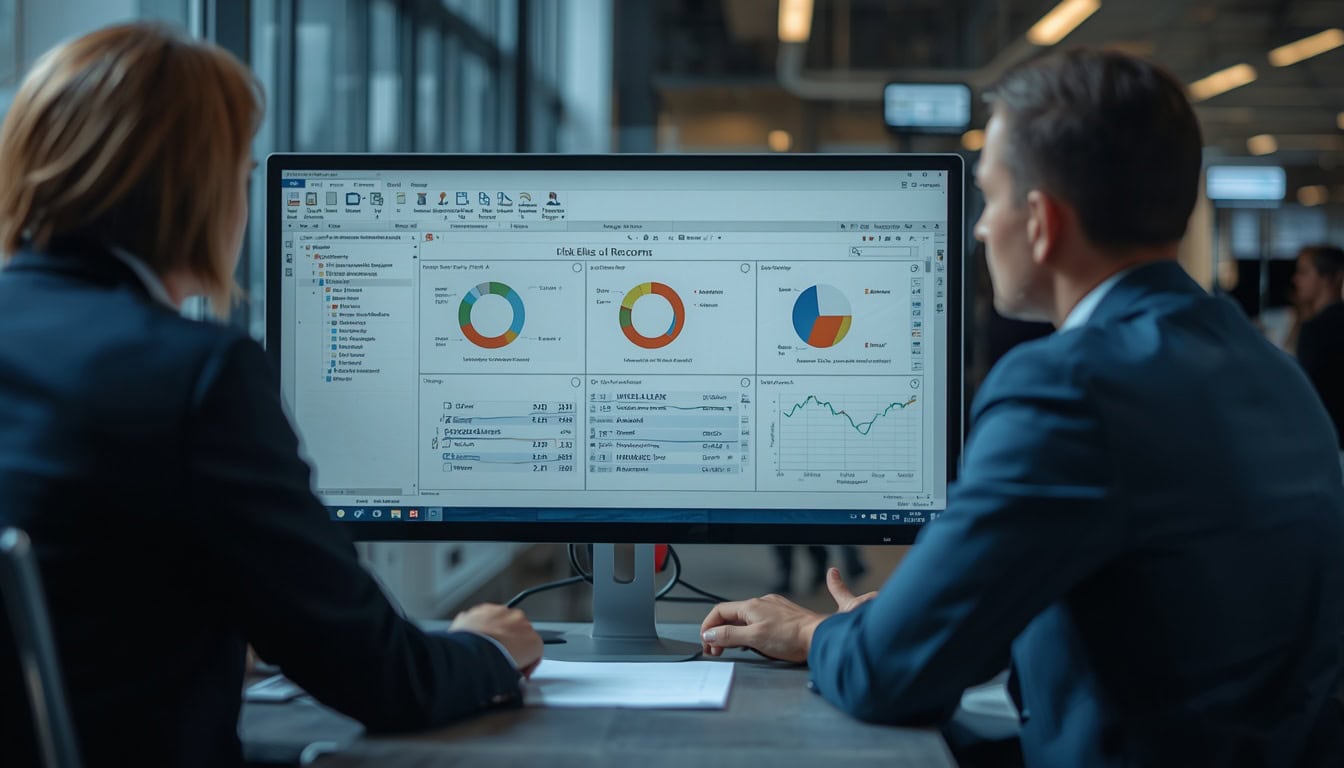
Software should be assessed according to the requirements of organizations. A good solution needs to be flexible around the risk categories and risk assessments. It needs to have clear dashboards and useful reporting capabilities as well. When teams share sensitive risk information, users’ permissions come into play. The integration potential can also enhance integration with legacy business systems. When assessing risk, organizations should think about how to scale up. It should also be based on local regulatory needs. Our experts at Blue-octopus can assist businesses looking for structured risk management solutions for increased online visibility.
Final Words
Businesses can quickly adapt to new technologies, and threats can change rapidly. There may be two more security and operational issues with remote operations. Business continuity can also be impacted by supply chain disruption. Assessment is the key to helping organizations adjust to these changing conditions. There are key risks to be considered as part of a team after significant changes in a business. Risk assessment should be performed for new projects before launch as well. Teams can use Risk Analysis Software Slovenia to better handle these activities.
Build Stronger Risk Decisions With Better Software Today
Effective risk management begins with transparency and the same priority. There is a need for practical tools to identify, assess, and track threats in an organization.
Want more practical risk management insights? Visit our Pinterest profile for helpful tips, strategies, and resources.
FAQs
What does risk analysis software allow an organization to control?
It assists teams in identifying, evaluating, prioritizing, and tracking organizational risks. It can also be used to log mitigation actions and team members responsible.
Why would businesses prioritize risks by impact?
Prioritization will enable an organization to concentrate on its greatest threats. This way, the small risks don’t get the initial attention.
Is risk software compliant with regulatory needs?
Yes, software can manage records, controls, assessments, and reports. These features can help to ensure compliance reviews are more systematic and manageable.
How often should organisations reassess identified risks?
Risks need to be reviewed if there are changes to risks or business processes. Accurate risk ratings can also be maintained over time through regular reviews.
So what are enterprises looking for in risk software?
Usability, scalability, reporting, integration, and security are factors to take into consideration for companies. They should also review the support needed for the industry they are looking at.