



What does modern risk management software offer to an Investment Management Company in Slovenia? Business investment companies manage market fluctuations, consumer needs, legal and regulatory requirements, and monetary risks. These challenges can be integrated into a single system with the appropriate software. It can assist teams in recognizing threats prior to their impact on financial investment choices. It can also enhance monitoring, reporting, and internal communication. Good software should be organized without being overly complicated and should work seamlessly into daily workflows. It should also be very helpful for making accurate decisions in the case of a rapidly changing market.
Select Software That Has Robust Risk Assessment Features
Risk assessment should continue to be a key component of any solution. The software should be able to identify and assess various risks. It should provide uniformity in the scoring of portfolios and investment activities. Teams should be able to compare the likelihood, impact, and overall exposure quite easily. Having clear scoring enables managers to know which risks require urgent attention. There should be regular reviews as circumstances change, and the system should accommodate this. This provides a more accurate picture of investment exposure.
Set Up Your Portfolio, Monitoring, And Risk Visibility Features
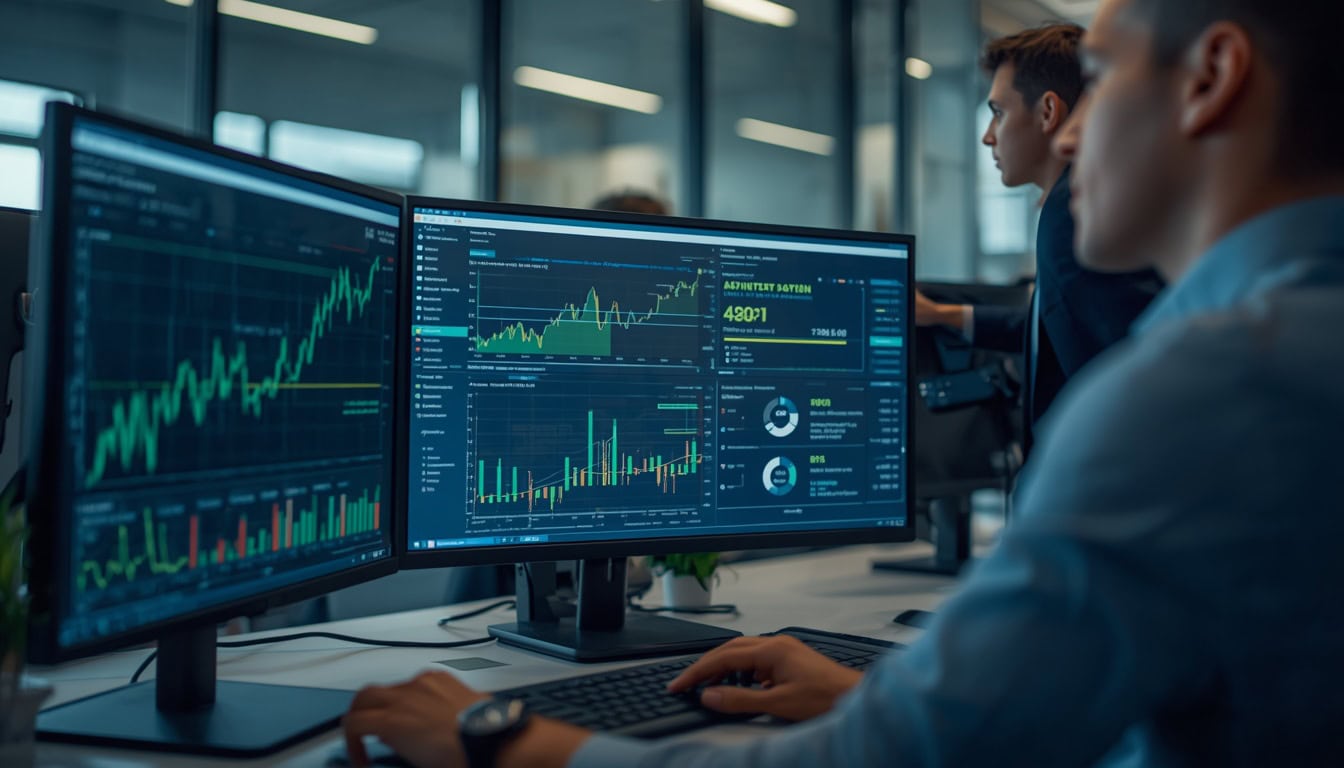
Portfolios and individual holdings must have complete visibility for investment teams. Effective software should deliver timely notifications about shifting risk levels. The dashboard can provide managers with valuable insights into key portfolio changes in a matter of moments. Complex information can be easier to review using visual reports. The system should flag out-of-the-ordinary changes and new concerns. The tool should also provide users with more in-depth information on the risks. Good visibility can help speed responses to market conditions’ changes.
- Immediate portfolio risk visibility.
- Custom risk dashboards
- Automated risk alerts
- Clear exposure reporting
Thoroughly Evaluate Compliance And Regulatory Reporting Capabilities
Commissioners and auditors expect investment firms to keep proper records for a variety of reasons. Structured reporting and data management of risk software should be reliable. It should facilitate the consistent documentation of investment activities by the teams. Automated reports can help minimize repetitive manual tasks and errors. The system should also include a risk decision log to track key risk choices. Effective reporting features can help streamline reviews and boost internal accountability. Ensure that compliance functions are commensurate with the firm’s operations and duties.
Plan For Integration With Existing Financial Systems
Risk software should work well with systems already used by investment teams. Integration can minimize duplicate data entry and increase data accuracy. Examples of useful connections include portfolio management and accounting systems. Data feeds can help with timely risk monitoring as well. Before selecting software, teams should consider the different options for integration available. There may be compatibility issues that impact implementation time, cost, and future usability. Daily risk management can be a lot simpler in a connected environment.
Give Data Security And Access Control Features Priority
Financial and client details are confidential and sensitive, and investment firms work with them on a daily basis. Risk software should be able to provide security for this data against unauthorized access. Access controls can restrict information according to the user’s responsibilities. There may be other layers of protection to be added for sensitive information using encryption. It’s also important to check the authentication and user activity monitoring options offered by the firm. Important risk information can be safeguarded in times of technical issues with backup procedures. Security should be a key consideration from the outset of the selection process.
Compare Automation Features That Reduce Manual Risk Work
Manual risk processes can take up a lot of time for investment professionals. Repetitive tasks can also lead to a higher risk of human error. Automation can help streamline traditional risk management processes. Software can automatically generate alerts, reports, calculations, and scheduled assessments. These connectivity features enable teams to concentrate more on pivotal decisions. There should still be clear controls and review options available through automation. Trust in automated processes is crucial for teams.
Select Software That Will Meet Future Investment Needs
As the investment landscape changes, so will the risk management needs. New technologies can offer new opportunities and new operating risks. There can also be differences in regulatory expectations in various investment scenarios. Companies should select software that’s regularly updated and enhanced. Flexible platforms are more adaptable to evolving business needs. If businesses are considering new risk options, professionals at Blue Octopus offer some helpful insights. The purpose should be for long-term usefulness, not convenience.
Bottom Lines
There are several risk software packages available, and it is very important to review these needs carefully before selecting an appropriate one. Security, flexibility, reporting, and scalability are the key elements an Investment Management Company in Slovenia should consider. The capability of accurate monitoring for portfolios and investment activities should be supported by robust software. It should also be related to real actions to manage risks. Centralized risk visibility is one of the ways that the Risk Analysis Software Slovenia can help with these objectives. The correct answer can cut down on manual work and enhance decision-making. It can also enhance adherence and prepare groups for upcoming difficulties.
Take The Next Step Toward Stronger Risk Management
The type of software you select can have an impact on the performance of your company in terms of managing investment risk. Analyze processes and determine where they need improvement.
Discover more practical investment risk management insights, tips, and strategies by visiting our Pinterest profile.
Frequently Asked Questions
What’s the point of having risk management software just for investment firms?
Centralized visibility of investment risks and portfolios is available with dedicated software. It also enables monitoring, reporting, compliance, and decision-making in a shorter timeframe when considering risks.
What risks does investment management software need to track?
Significant risk factors include those associated with the market, credit, liquidity, operations, and compliance.
Are regulatory software solutions possible for the improvement of regulatory reporting for investment firms?
Yes, structured software can streamline reporting and keep track of risks in an organized manner. It can also establish audit trails for crucial evaluation and decision-making.
What are the benefits of automation in investment risk management?
Automation eliminates repetitive tasks and minimises some manual processing mistakes. It can offer quicker alerts, calculations, assessments, and reports as well.
What should companies look for before buying risk software?
Usability, integrations, security, reporting, scalability, and support are factors to test. They should also ensure that the platform is compatible with their current work procedures.