Author: shark-admin-55
What Should An Investment Management Company In Slovenia Look For In Risk Management Software
What does modern risk management software offer to an Investment Management Company in Slovenia? Business investment companies manage market fluctuations, consumer needs, legal and regulatory requirements, and monetary risks. These challenges can be integrated into a single system with the appropriate software. It can assist teams in recognizing threats prior to their impact on financial…
Written by

Risk Analysis Software Slovenia: How To Prioritize Threats And Plan Mitigation Measures
How are Slovenian organisations able to detect significant threats before they have the potential to impact normal business operations? Risk Analysis Software Slovenia assists teams in identifying, assessing, and prioritizing potential threats. It puts risk information in a single, organized space, allowing teams to compare risks using the same assessment technique. This supports effective decision-making,…
Written by

How To Choose The Best Asset Management Software For Compliance-Focused Organizations
What is the best way to manage assets while keeping compliance requirements under control? The right software can make this process much easier. With the best asset management software, businesses can manage assets, maintain accurate records, monitor risks, and support Regulatory Compliance Management. This gives teams greater visibility across their entire asset landscape while reducing…
Written by

Asset Management Firms Vs Asset Management Software: What Is The Difference
Confused between Asset management firms and asset management software? You are not alone. They both help with asset management but have different functions. We offer professional services, advice, and management expertise. Asset management software offers electronic tools for managing, monitoring, and tracking assets. Having this clarity will help businesses select the appropriate solution. It also…
Written by

How Asset Management Software Connects Assets, Risks, Processes, And Compliance
Having trouble keeping track of assets, managing risks, and maintaining compliance? These are common challenges many organizations face as they expand their operations. Manual records and spreadsheets can lead to errors and inaccurate information. The best asset management software in Slovenia brings valuable data together in one integrated system, helping teams track assets, monitor risks,…
Written by

Asset Management Slovenia: How Businesses Can Strengthen Nis2 And Iso 27001 Readiness
Looking to beef up cybersecurity and compliance across your business operations? Asset Management Slovenia offers organisations the opportunity to enhance the visibility of their digital and physical assets. This visibility is important for NIS2 and ISO 27001 readiness. In both cases, organisations must be aware of their systems, risks, and security controls. Inaccurate asset records…
Written by

Why the Best Asset Management Software Should Visualize Asset Dependencies
How can companies handle complicated assets and understand how they relate to one another without confusion? Modern businesses need clear visibility to manage resources, reduce risks, and improve day-to-day operations. Asset dependency mapping helps teams understand how different systems and information assets are connected. Asset Management Software in Slovenia provides advanced tracking, real-time analytics, and…
Written by

How Asset Management Software Supports Business Continuity With Bia, Rto, and RPO
When the unexpected happens to your business, are you ready? All organizations have risks that can impact critical operations. By planning properly, downtime can be minimized, and valuable resources are preserved. By using Asset Management Software, businesses can improve visibility, planning, and recovery to support stronger business continuity. It enables businesses to identify which assets…
Written by

Building a Risk-Aware Organization in Slovenia: Combining Asset Management, Risk Analysis, and Compliance in One System
How can your company stay safe in a shifting European regulatory environment? Implementing a unified strategy for Asset Management Slovenia shields your business from unexpected operational threats. Many organizations also rely on analysis software Slovenia solutions to monitor assets, assess risks, and support compliance with local and EU regulations. Without properly connected databases, companies struggle…
Written by
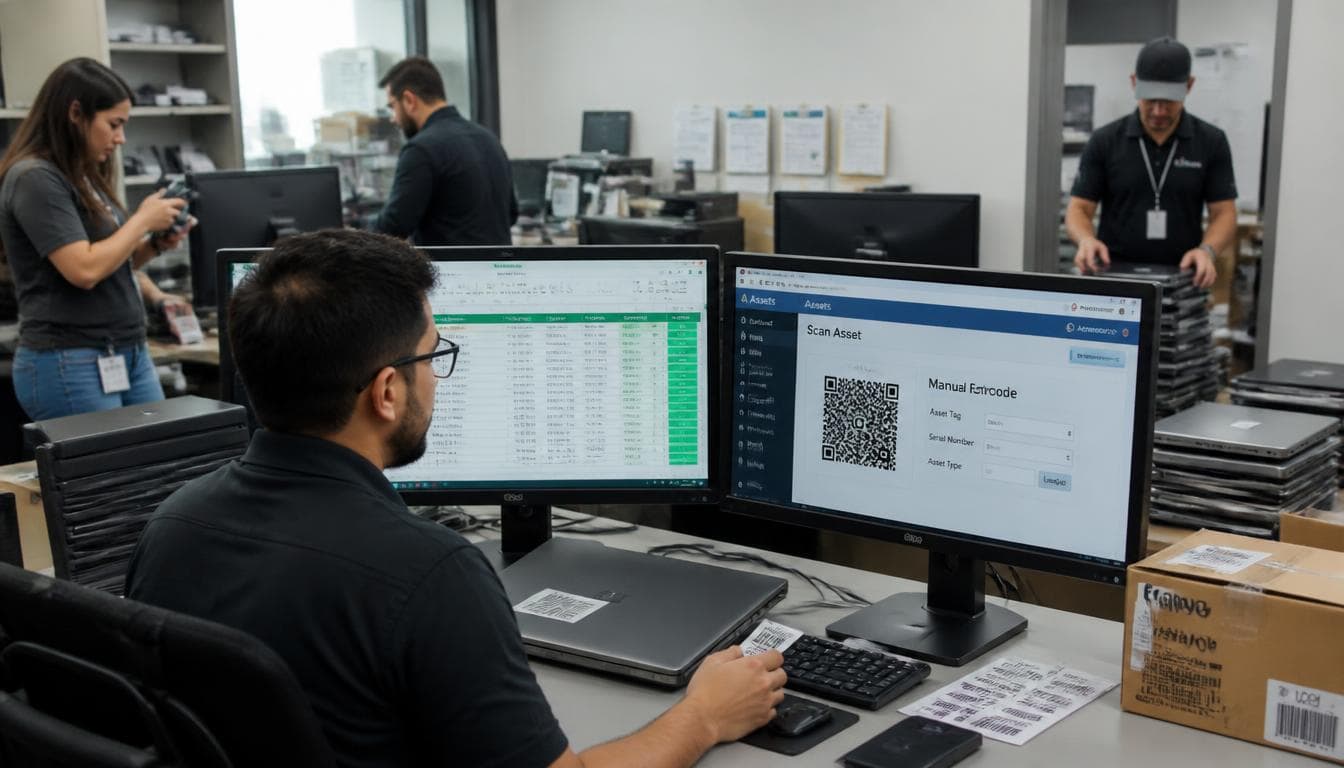
Manual Excel Tracking vs. Asset Management Software: The Real Cost of Staying Outdated
How much money does your business lose each year because of broken spreadsheet formulas? If you still track IT hardware and equipment manually, switching to dedicated asset tracking software or a complete Asset Management Software solution can protect your bottom line. Excel spreadsheets feel safe because they are familiar, and they seem free because you…
Written by